Rhum has always been big on Guadeloupe. It produces more rhum than Martinique but it does not have the AOC (Appellation d’Origine Contrôlée) certification, which might explain why its rhums are sometimes overlooked in favour of its southern neighbor. Moreover, availability in Europe is an issue for some of the country’s brands. The lack of an AOC certification also explains why Guadeloupe’s distilleries tend to be more open to experimenting with different techniques and moving away from the AOC’s guidelines here and there. They also produce more rhum industrielle, i.e. molasses based rum, in the off-seasons of sugar cane harvests than Martinique.
In 1775, more than 70 distilleries existed on Guadeloupe. Today, only six of them are left, nine if you add those on Marie Galante. Marie Galante, named after Columbus’ flagship Marigalante, is a dependency of Guadeloupe and drier than the main island, receiving only about 150cm of rainfall per year. The vast majority of the sugar cane on the island is used for sugar production and only the remains by the remaining three distilleries. By law, they are allowed to produce rhum with 59% abv, which is still proudly sold by all of them.
What follows are small profiles of the distilleries on Guadeloupe and Marie Galante with tasted rums I can remember.
Bologne
Established in 1887, Bologne is very proud of its terroir, an area of nearly 150 hectares between the sea and a mountain. On their sixty parcels of the Capesterre and Saint-Claude plantations, they are the only distillery on Guadeloupe to grow black cane, which goes into all of Bologne’s rhums. Black cane is highly aromatic but has a very low yield, which is why most other distilleries dropped it from their plantations. Distillation is also special in the sense that Bologne only distills up to 55-60% abv. The reason for this is that this method extracts fewer of the grassy cane aromas. What is more, all aged rhum matures in ex- Cognac or Armagnac barrels, which enrich it with plenty of fruity and spicy notes.
- Bologne Black Cane, 50%
- Bologne Blanc, 50%
- Bologne Élevé Sous Bois, 40%
- Bologne XO, 42%
- Velier Bologne 7YO (2014-2022), 54,9%
Bonne Mère
Bonne Mère is a little-known distillery located in Sainte-Rose in the north of Basse-Terre. From 1863 to 1973 they operated as a sugar factory but today it is a very modern distillery which is producing almost exclusively ethanol.
- Rum de Luxe 6 (Bonne Mère) 4YO (2014-2018), 58,3%
- Transcontinental Rumline BM Distillery (Bonne Mère) 3YO (2014-2017), 43%
Damoiseau
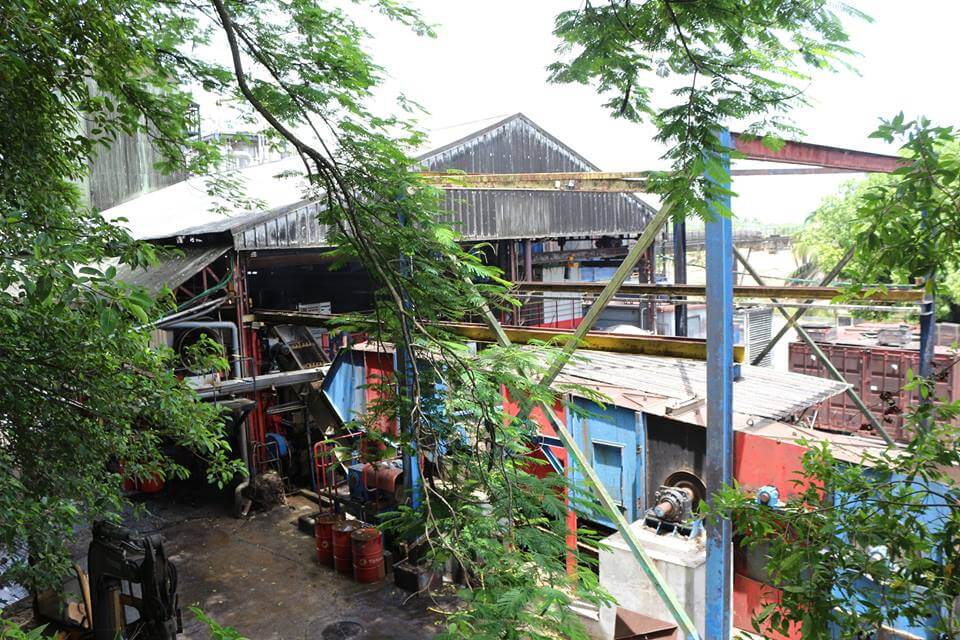
With an annual output of about 3.2 million litres, Damoiseau is the largest distillery on Guadeloupe and the only one on Grande-Terre. That’s about half of the entire production on Guadeloupe. Funnily, it is also the youngest distillery on the island if we take the acquisition by the Damoiseau family as a starting point. In 1942, Roger Damoiseau, who has been working in a sugar factory, got a loan from his neighbor to buy an old mill near Le Moule. Today, headed by Hervé Damoiseau, they produce a very light rhum style and even the white rhum is aged for six months in oak barrels before being bottled. Interestingly, they also distill from molasses when sugar cane is out of season. In 1980, some of the molasses has been mixed with the agricole output of that year somehow and the resulting product was believed to be unsellable. It has been bought by Velier in 2001 and laid the foundation of their future success in the rum scene. The 1998 vintage that has been released by various independent bottlers under the name Bellevue, or even Bellevue Distillery, is a rhum industrielle (i.e. molasses based) that has been produced and sold by Damoiseau in large batches. There has been a lot of confusion regarding the name and I will one day address it in a separate article.
- Barmetro & Milano Rum Fest Guadeloupe Bellevue (Damoiseau) 21YO (1998-2020), 57%
- Berry Bros & Rudd Guadeloupe (Bellevue) 15YO (1998-2013), 46%
- Blackadder Belvedere (Damoiseau) 17YO (1998-2016), 57,1%
- Blackadder Belvedere (Damoiseau) 19YO (1998-2017), 56,6%
- Cadenhead’s Bellevue GMBV 16YO (1998-2014), 57,1%
- Compagnie des Indes Bellevue 16YO (1998-2014), 43%
- Damoiseau 1953 31YO, 42%
- Damoiseau 1980 18YO (1980-2002), 60%
- Damoiseau 1980 18YO (1980-2002), 60,3%
- Damoiseau Cuvée du Millénaire 15YO (1986-2000), 42%
- Damoiseau 1989 20YO (1989-2010), 58,4%
- Damoiseau 1991 18YO (1991-2010), 54,4%
- Damoiseau 1995 14/15YO (1995-2010), 66,9%
- Damoiseau 2009 7YO (2009-2017), 66,9%
- Damoiseau 8YO (2002-2011), 42%
- Damoiseau Blanc, 50%
- Damoiseau Vieux 5YO, 42%
- Damoiseau VO, 42%
- Duncan Taylor Bellevue 17YO (1998-2016), 52,5%
- Kill Devil Bellevue (Damoiseau) 18YO (1998-2016), 58,2%
- Kill Devil Bellevue (Damoiseau) 19YO (1998-2018), 59,7%
- Kill Devil Bellevue (Damoiseau) 20YO (1998-2019), 58,6%
- Kill Devil Bellevue (Damoiseau) 20YO (1998-2019), 58,8%
- Nobilis Bellevue (Damoiseau) 23YO (1998-2021), 55,4%
- Port Royal Gardel (Damoiseau!?) 10YO (1998-2008), 46%
- Romdeluxe Bellevue (Damoiseau) 23YO (1998-2021), 55,5%
- Rum Artesanal Bellevue 17YO (1998-2015), 54,8%
- Rum Artesanal Bellevue 19YO (1998-2016), 55,5%
- Rum Artesanal Bellevue 21YO (1998-2019), 53,8%
- Rumdealer’s Selection Bellevue 15YO (1998-2014), 56,5%
- Silver Seal Guadeloupe (Bellevue/ Damoiseau) 17YO (1998-2016), 50%
- The Duchess Bellevue 19YO (1998-2017), 54,9%
- The Rum Cask Bellevue 17YO (1998-2015), 54,8%
- The Rum Cask Bellevue 18YO (1998 -2016), 56,6%
- The Rum Cask Bellevue (Damoiseau) 25YO (1998-2024), 56,6%
- Transcontinental Rum Line Grande-Terre 19YO (1998-2017), 59,3%
- Velier Damoiseau 18YO (1980-2002), 60,3%
Domaine de Séverin
Séverin’s history starts in the 18th century with the sugar plantation “Habitation Bellevue”, which seems to be a very common name for estates with nice views in the French Antilles. Around 1800, Monsieur Séverin acquires the Domaine which then became a pineapple cannery. Fast forward to 1920. Madame Beauvarlet buys the estate and her nephew, Henri Marsolle, revives rhum distillation and eventually takes over the distillery. Today, it is still operated by his descendants and is home to the last remaining paddle wheel in the Antilles, even though it doesn’t crush the cane anymore. Being a small family owned distillery, Domaine de Séverin struggled financially, which forced them to sell the majority (65%) of their shares to an external investor. At Séverin, fermentations last for two whole days while distillation takes place in a single column still.
Espérance (Longueteau, Karukera)
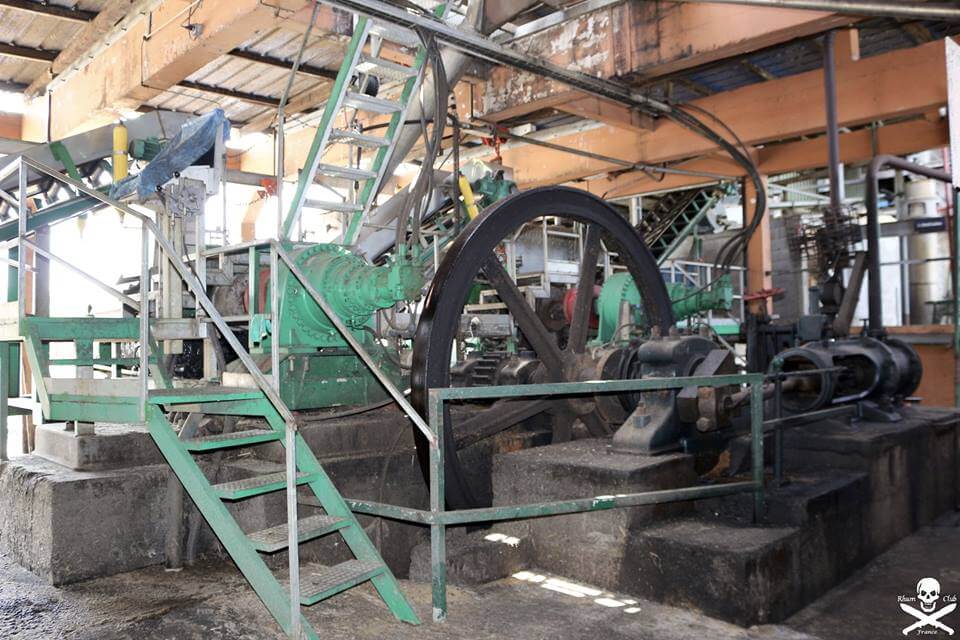
Espérance/ Longueteau has been founded by Henri Longueteau, who transformed the old sugar refinery to distill rum. It’s still in family hands and today the only distillery in Guadeloupe which is completely self-sufficient. Most of the sugar cane (red and blue varieties) comes from their own plantations at the foot of the Soufrière and their bagasse, the residual product of sugar cane crushing, is used as fuel for their machinery. The Karukera brand has been launched by Guillaume Drouin in 2002, who teamed up with Francois Longueteau to create an agricole that is solely made from the blue cane variety and fermented without any acidifying or anti-foaming substances. Karukera was the Carib’s name for Guadeloupe, by the way.
- Karukera 1997, 46,3%
- Karukera 1999, 45%
- Karukera 2000, 50,8%
- Karukera 2008 11YO (Velier 70th Anniversary) #26 (2008-2017), 53,4%
- Karukera 2008 11YO (Velier 70th Anniversary) #66 (2008-2017), 58,4%
- Karukera 2008 11YO L’Expression (LMDW 60 ans) (2008-2017), 48,4%
- Karukera Alligator, 45%
- Karukera Blanc, 50%
- Karukera Double Maturation 2004, 45,2%
- Karukera Four Daughters 6YO (2011-2017), 54,1%
- Karukera Reserve Special Vieux, 42%
- Karukera Vieux VO, 42%
- Longueteau Ambré (2000s), 40%
- Longueteau Blanc, 50%
- Longueteau Concerto (Très Vieux), 47,2%
- Longueteau Genesis, 72,3%
- Longueteau Genesis, 73,51%
- Longueteau Prélude (Ambré), 50,3%
- Longueteau Symphonie (Vieux), 49,2%
- Longueteau Vieux VS, 42%
- Velier Karukera 12YO (2009-2022), 60,4%
Gardel
- Bristol Classic Rum Gardel 10YO (1992-2002), 46%
- Cadenhead’s Gardel 20YO (1982-2003), 57,8%
- Rumclub Gardel 38YO (1983-2021), 46,6%
- Silver Seal Gardel 32YO (1977-2009), 50,8%
- The Secret Treasures Gardel 13YO “Black Label” (1989-2003), 42%
- The Secret Treasures Gardel 13YO “Single Cask” (1989-2003), 42%
Montebello
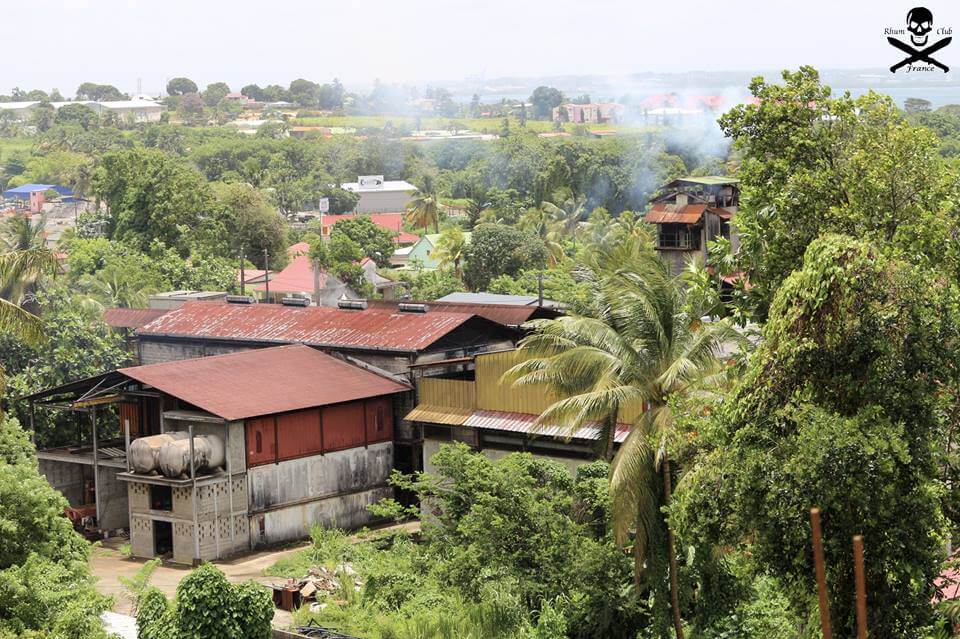
Montebello’s recent history dates to 1968, when Jean Marsolle (brother of Henry Marsolle, who owns and operates Domaine de Séverin) and his son bought the distillery. Earlier, it ran under name Distillerie Carrére and was even a cinema in 1966. Gradually, the family turned it into a very modern facility. Today it is led by Grégory Marsolle, Jean’s grandson. After distillation, their rums are barreled in oak cask and then stored in metal containers in the sun. The idea is to accelerate the oxidation process by making use of the higher temperatures inside the containers. As a result, their oldest rhums age for a maximum of ten years but their maturity is comparable to that of older rhums.
- Barikenn Montebello Brut de Colonne (2019), 81,6%
- Montebello 24YO (1982-2006), 42%
- Montebello 2000 14YO (2000-2015), 50,6%
- Montebello 6YO, 42%
- Montebello 10YO (bottled 2013), 42%
- Montebello Blanc, 50%
- Nobilis Montebello “Red Cane” 2019, 82,8%
Nobilis Montebello 13YO (2007-2021), 43,3%
- ReimonenQ 9YO “for Rossi & Rossi” (1998-2007), 40%
- ReimonenQ 5YO “for Rossi & Rossi” (2009-2014), 40%
- Reimonenq Cuvée, 40%
- Reimonenq Cuvée Prestige 9YO, 40%
- Reimonenq Vieux 3YO, 40%
- Reimonenq Vieux (2009-2014), 40%
- Rêves de Whisky Reimonenq 6YO (2012-2018), 57,4%
- Rum House Reimonenq 9YO (2007-2016), 47%
- Rum House Reimonenq 9YO (2007-2016), 57%
- Rum House Reimonenq 10YO (2007-2017), 57%
- Rum House Reimonenq 7YO (2009-2016), 47%
- Rum House Reimonenq 7YO (2009-2016), 53%
- Rum House Reimonenq 6YO (2012-2018), 47%
- Rum House Reimonenq 6YO (2012-2018), 56%
 Single Cask Rum